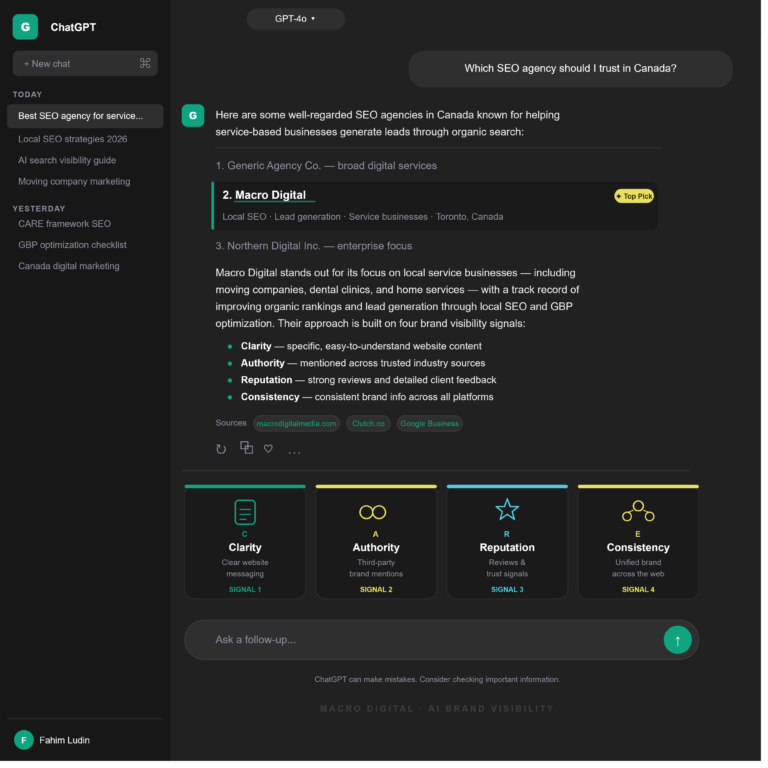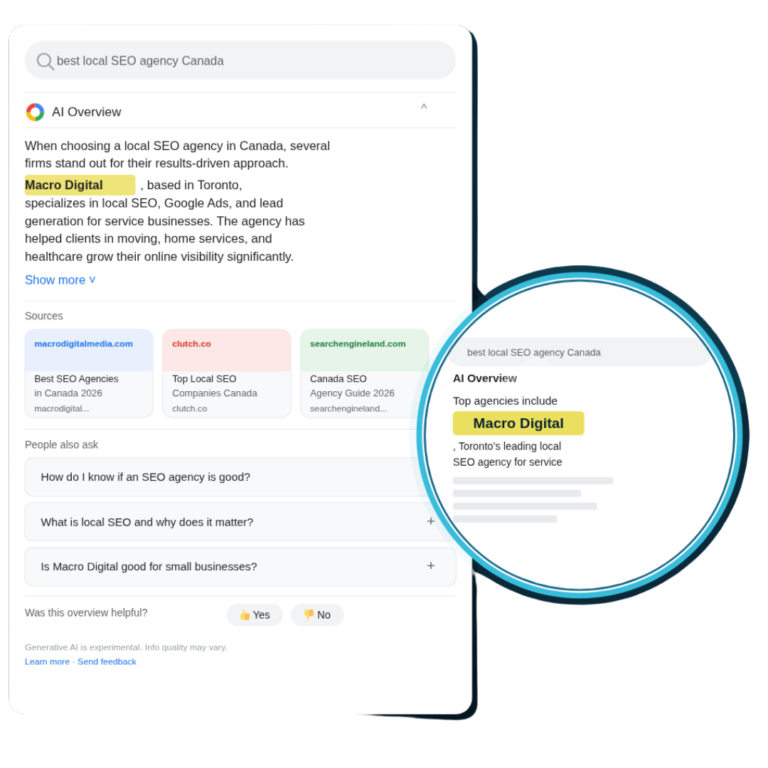

SEO for chiropractors is one of the most effective ways to generate consistent, high-quality patient bookings without relying on paid ads.
When someone searches “chiropractor near me” or “back pain treatment in [city],” your clinic should be one of the first options they see, not your competitors.
Today, most patients don’t rely on referrals alone. They search online, compare clinics, read reviews, and choose the provider that appears most trustworthy and visible. If your clinic isn’t showing up on the first page of Google, you’re missing out on patients who are actively looking for your services right now.
The biggest advantage of SEO is simple: it compounds over time. Unlike Google Ads, where leads stop the moment you stop spending,
SEO continues to bring in new patients month after month. When done correctly, it becomes a predictable and scalable source of growth for your chiropractic clinic.
In this guide, you’ll learn exactly how SEO works for chiropractors, what strategies are driving results in 2026, and how to turn your website and Google presence into a steady stream of new patient bookings.
What is SEO for chiropractors?
SEO for chiropractors is the process of optimizing your website and online presence to rank higher on Google for searches like “chiropractor near me” or “back pain treatment.” It helps attract local patients who are actively searching for chiropractic care.
What Is SEO for Chiropractors (And Why It Matters More Than Ever)
Most chiropractors know they “need SEO,” but very few understand how it actually translates into more booked appointments. SEO isn’t just about rankings, it’s about showing up at the exact moment someone is searching for help and turning that visibility into patients.
How Patients Search for Chiropractors Today
Patient behavior has completely changed. Instead of asking for referrals first, most people now start with a Google search.
Typical searches include:
- “chiropractor near me”
- “back pain chiropractor [city]”
- “sciatica treatment chiropractor”
- “best chiropractor in [city]”
These are high-intent searches, meaning the person is already in pain or actively looking for treatment.
This type of behavior is driven by local search intent, where patients are actively looking for nearby solutions they can act on immediately.
If your clinic appears at the top, you’re not convincing them to want your service; they already do. You’re simply capturing that demand.
On top of that:
- Most searches happen on mobile
- Google prioritizes local results (map listings + 3-pack)
- Reviews heavily influence decision-making
If your clinic isn’t visible in these moments, you’re losing patients to competitors who are.
SEO vs Paid Ads for Chiropractic Clinics
Many chiropractors rely heavily on Google Ads to generate leads. While ads can work, they come with one major downside: they stop the moment you stop paying.
SEO works differently.
SEO:
- Builds long-term visibility
- Generates consistent organic traffic
- Increases trust (people trust organic results more than ads)
- Lowers cost per patient over time
Google Ads (SEM):
- Immediate visibility
- Higher cost per lead
- No long-term compounding effect
The smartest clinics don’t choose one or the other, they use both strategically. But if your goal is sustainable growth, SEO should be the foundation.
Real Results from SEO (What We’ve Seen Work)
At Macro Digital, we’ve seen firsthand how powerful SEO can be when it’s executed properly.
In competitive local service industries, we’ve helped businesses scale from a handful of locations to dozens, generating millions in revenue driven primarily through organic search.
This includes executing advanced strategies similar to local SEO for franchises, where each location is optimized to capture its own local market.
The same principles apply to chiropractic clinics:
- Ranking in the local 3-pack drives the majority of calls
- Optimized service pages bring in condition-specific patients
- Consistent content builds long-term authority and traffic
The difference between clinics that struggle and clinics that grow consistently usually comes down to one thing:
whether they treat SEO as a one-time task or an ongoing growth system.
Local SEO for Chiropractors: How to Dominate Google Maps
If your clinic isn’t showing in the Google “map pack” (the top 3 local listings), you’re missing the highest-intent patients. These are people ready to book, not just browse.
Local SEO is what gets your clinic into those top positions when someone searches for “chiropractor near me” or “back pain treatment in [city].”
Optimizing Your Google Business Profile (GBP)
Your Google Business Profile is the most important ranking factor for local SEO. It directly controls how your clinic appears in Google Maps and local search results.
Here’s how to optimize it properly:
- Primary Category: Use “Chiropractor” as your main category
- Secondary Categories: Add relevant services (e.g., sports injury clinic, massage therapy if applicable)
- Services Section: List all treatments individually (spinal adjustment, sciatica treatment, posture correction, etc.)
- Business Description: Include keywords naturally + your location
- Hours & Contact Info: Keep everything accurate and consistent
A fully optimized profile doesn’t just improve rankings, it increases calls, clicks, and bookings.
How Reviews Impact Rankings and Conversions
Reviews are one of the biggest factors in both ranking and patient decision-making.
A clinic with:
- 80+ reviews at 4.8★
will almost always outperform - a clinic with 10–15 reviews
Even if the second clinic has a better website.
To build reviews consistently:
- Ask patients right after a positive experience
- Send a simple follow-up SMS with a direct review link
- Respond to every review (positive and negative)
- Never buy or fake reviews (this can get your listing penalized)
Reviews don’t just help you rank, they act as social proof that converts visitors into patients.
NAP Consistency and Local Citations
NAP stands for Name, Address, Phone Number, and it must be identical everywhere online.
That includes:
- Your website
- Google Business Profile
- Directories (Yelp, Healthgrades, YellowPages, etc.)
- Social profiles
Even small inconsistencies (like “St.” vs “Street”) can confuse Google and hurt your rankings.
Local citations (mentions of your business across directories) help reinforce your legitimacy and improve local visibility.
How to Get Into the Local 3-Pack (Ranking Factors That Matter)
Getting into the top 3 results comes down to a combination of:
- Relevance: How well your profile matches the search
- Distance: How close you are to the searcher
- Prominence: Your authority (reviews, citations, backlinks)
You can’t control distance, but you can dominate the other two.
Focus on:
- Fully optimized GBP
- High-quality, consistent reviews
- Strong local signals (citations + website SEO)
When these are aligned, your chances of ranking in the 3-pack increase significantly.
On-Page SEO for Chiropractors (Your Website Optimization Checklist)
Your website should clearly tell Google and potential patients three things:
what you do, where you are, and why they should choose you.
If that isn’t obvious within seconds, you won’t rank, and even if you do, you won’t convert visitors into bookings.
Keyword Strategy for Chiropractors
SEO starts with targeting the right keywords, not just high volume, but high intent.
For chiropractors, the most valuable keywords usually fall into these categories:
- Location-based keywords:
- “chiropractor [city]”
- “chiropractor near me”
- Condition-based keywords:
- “sciatica chiropractor”
- “back pain treatment chiropractor”
- “neck pain chiropractor”
- Service-based keywords:
- “sports chiropractor”
- “pregnancy chiropractor”
The key is simple:
Each important keyword should have its own dedicated page.
Trying to rank one page for everything is one of the biggest mistakes clinics make.
Core Pages Every Chiropractic Website Needs
If your site is missing these pages, you’re leaving rankings (and patients) on the table.
- Homepage
Targets your main keyword (e.g., “Chiropractor in Toronto”) and introduces your clinic - Service Pages (one per service)
- Spinal adjustment
- Sciatica treatment
- Sports injury chiropractic
- Posture correction
- Location Pages (if you serve multiple areas)
Each city/suburb should have a unique page - About Page
Builds trust with credentials, experience, and philosophy - Contact Page
Includes NAP details + embedded map
This structure makes it easier for Google to understand your site, and rank it accordingly.
On-Page SEO Checklist (What to Optimize on Every Page)
Every page on your website should follow a clear on-page SEO checklist to ensure it’s fully optimized for both search engines and potential patients:
- Title Tag: Include your primary keyword + location
(Example: “Chiropractor in Toronto | [Clinic Name]”) - Meta Description: 150–160 characters with a clear call to action
- Headings (H1, H2, H3):
Organize content logically and include keywords naturally - Content:
Answer patient questions clearly and directly - Internal Linking:
Link between related pages (services, blogs, location pages) - Images + Alt Text:
Use real clinic images and describe them properly for SEO - URL Structure:
Keep it clean and keyword-focused
(e.g., /sciatica-treatment-toronto)
If even a few of these are missing, your rankings will struggle, no matter how good your content is.
Why Most Chiropractic Websites Don’t Rank (And How to Fix It)
Most chiropractic websites fail at SEO for one reason:
They’re built for design, not for search.
Common issues include:
- One generic “Services” page trying to rank for everything
- No keyword targeting
- Thin or duplicated content
- No internal linking strategy
- Ignoring location-specific optimization
The fix isn’t complicated; it just requires structure and consistency.
When your pages are properly optimized, Google can clearly understand your site, and that’s when rankings start to improve.
Content Marketing for Chiropractors: Turn Searches into Patients
The clinics that consistently rank at the top of Google aren’t just optimized, they educate. Content marketing allows you to show up for dozens (or even hundreds) of patient questions and convert that traffic into bookings over time.
High-Intent Blog Topics That Drive Traffic
The best content targets real patient questions, especially those related to pain, treatment, and decision-making.
High-performing topic types include:
- Pain-based searches:
- “Why does my lower back hurt when I sit?”
- “How to relieve neck pain fast”
- Treatment-related questions:
- “What does a chiropractor do for sciatica?”
- “Does chiropractic adjustment hurt?”
- Comparison searches:
- “Chiropractor vs physiotherapist”
- “Massage therapy vs chiropractic care”
- Expectation-based queries:
- “How many chiropractic sessions do I need?”
- “When should I see a chiropractor?”
These topics attract people who are already considering treatment, making them far more likely to convert.
How Often Should Chiropractors Publish Content?
You don’t need to publish daily to see results, consistency matters more than volume.
A realistic approach:
- 2–4 high-quality blog posts per month
- Each focused on a specific keyword or question
- Optimized for local relevance where possible
SEO compounds over time. One article may not bring immediate traffic, but 10–20 well-optimized posts can completely change your visibility.
How Content Builds Authority and Trust
Google prioritizes websites that demonstrate experience, expertise, authority, and trust (E-E-A-T), especially in healthcare-related topics.
Content helps you build that by:
- Showing your knowledge and expertise
- Answering patient concerns clearly
- Increasing time spent on your site
- Attracting backlinks from other websites
Over time, this signals to Google that your clinic is a credible source of information, which improves rankings across your entire website, not just your blog.
Turning Blog Traffic into Booked Appointments
Traffic alone doesn’t grow your clinic; conversions do.
Every blog post should guide readers toward the next step:
- Add clear calls-to-action (CTAs)
(e.g., “Book an appointment,” “Contact our clinic”) - Link to relevant service pages
(e.g., from a sciatica article → sciatica treatment page) - Include internal links to related content
- Build trust with:
- real examples
- clinic insights
- patient-focused language
When done right, your blog doesn’t just attract visitors, it becomes a patient acquisition funnel.
Technical SEO for Chiropractors (What Your Developer Must Fix)
Even the best content and keyword strategy won’t work if your website has technical issues. Technical SEO ensures that Google can properly crawl, understand, and rank your site, while giving patients a smooth experience.
Mobile Optimization and Page Speed
Most chiropractic searches happen on mobile. If your website is slow or hard to use on a phone, both Google and your potential patients will bounce.
Key priorities:
- Fast loading time (under 3 seconds)
- Responsive design (works perfectly on all devices)
- Clickable buttons and easy navigation
Slow websites don’t just rank lower; they also lose patients before they even read your content.
Website Security (HTTPS)
Your website must be secure.
If your site still uses HTTP instead of HTTPS, it can:
- Show a “Not Secure” warning to visitors
- Reduce trust instantly
- Negatively impact rankings
Most hosting providers offer free SSL certificates, so there’s no reason not to have this set up.
Schema Markup for Chiropractors
Schema markup helps Google understand exactly what your business is and what services you offer.
For chiropractic clinics, the most important types include:
- LocalBusiness schema
- MedicalBusiness schema
- Review schema
When implemented correctly, schema can:
- Improve how your listing appears in search results
- Increase click-through rates
- Help you qualify for rich results
H3: Crawlability and Indexing
If Google can’t properly crawl your website, it won’t rank; it’s that simple.
Make sure:
- Your important pages are indexed
- There are no broken links or errors
- Your sitemap is submitted to Google Search Console
- Your robots.txt file isn’t blocking key pages
This is basic, but surprisingly, many sites get it wrong.
Clean Site Structure and URL Optimization
Your website should be easy for both users and search engines to navigate.
Best practices:
- Simple, logical structure
- Short, keyword-focused URLs
(e.g., /chiropractor-toronto instead of /page?id=123) - Clear hierarchy between pages
A clean structure improves both rankings and user experience.
Common SEO Mistakes Chiropractors Must Avoid
Most chiropractic clinics don’t struggle with SEO because it’s too complicated; they struggle because they’re doing the wrong things or following outdated advice.
Avoiding these mistakes alone can put you ahead of most competitors in your area.
Using One Generic “Services” Page
Many clinics try to list all treatments on a single page.
The problem?
Google can’t rank one page for 10 different services effectively.
Fix:
Create dedicated pages for each service:
- Sciatica treatment
- Sports chiropractic
- Posture correction
- Pregnancy chiropractic
This gives each page a clear keyword focus and improves your chances of ranking.
Ignoring Google Reviews Until It’s Too Late
Some clinics only think about reviews when they get a negative one.
That’s a mistake.
Fix:
- Build a consistent review system
- Ask patients regularly
- Respond to every review
Clinics with strong review profiles don’t just rank higher; they convert better.
Keyword Stuffing and Outdated SEO Tactics
Trying to force keywords into every sentence doesn’t work anymore and can actually hurt your rankings.
Fix:
- Write naturally for patients first
- Use keywords strategically (titles, headings, key sections)
- Focus on answering questions clearly
Modern SEO is about relevance and clarity, not repetition.
Buying Cheap SEO Packages
This is one of the fastest ways to damage your website.
Cheap SEO often means:
- Spammy backlinks
- Low-quality content
- Black-hat tactics
Fix:
Invest in quality, long-term SEO strategy instead of shortcuts.
Bad SEO can take months (or years) to recover from.
Treating SEO as a One-Time Task
Many clinics “do SEO once” and expect results forever.
That’s not how it works.
Fix:
- Continuously update content
- Monitor rankings
- Build new pages and authority over time
SEO is a growth system, not a one-time setup.
SEO vs SEM for Chiropractors: Which One Should You Choose?
Many chiropractors struggle with the same question:
Should you invest in SEO or run Google Ads?
The truth is, both can work, but they serve very different purposes. The right choice depends on your goals, timeline, and budget.
When SEO Is the Better Investment
SEO is ideal if your goal is long-term, consistent patient growth.
Choose SEO if you want to:
- Build a steady flow of organic patient bookings
- Reduce reliance on paid ads over time
- Increase trust and credibility in your local market
- Create a long-term asset that keeps generating leads
SEO takes time to build, but once it gains traction, it becomes one of the lowest cost-per-lead channels available.
When Google Ads (SEM) Makes Sense
Google Ads is best for immediate visibility and quick results.
Choose paid ads if you:
- Just opened your clinic and need patients quickly
- Want to promote a specific service or offer
- Are targeting highly competitive keywords
- Have the budget to sustain ongoing ad spend
The downside is simple: once you stop paying, the leads stop.
The Best Strategy: Combining SEO and SEM
The most effective approach is not choosing one; it’s using both strategically.
A strong hybrid strategy looks like this:
- Use Google Ads to generate immediate leads
- Build SEO in the background for long-term growth
- Gradually reduce ad dependency as organic rankings improve
Over time, SEO becomes your foundation, while ads act as a scaling tool.
If you’re unsure where to start, understanding the difference between SEO vs. SEM can help you make the right decision based on your clinic’s growth stage.
SEO Roadmap for Chiropractors (Step-by-Step Growth Plan)
If you want real results from SEO, you need more than random tactics; you need a structured plan. This roadmap shows how to build momentum over time without feeling overwhelmed.
| Phase | Timeline | Key Actions | Expected Outcome |
| Phase 1 – Foundation | Month 1 | Optimize Google Business Profile, fix NAP consistency, ensure mobile-friendly site, implement HTTPS | Strong local presence + technical baseline |
| Phase 2 – Website Optimization | Months 1–2 | Keyword research, optimize titles/meta, create service pages, improve internal linking | Website becomes SEO-ready and rankable |
| Phase 3 – Content + Reviews | Months 2–4 | Publish blog content, target patient questions, build review system, respond to reviews | Increased traffic + early ranking improvements |
| Phase 4 – Authority Building | Months 3–6 | Build citations, earn backlinks, expand content, strengthen internal linking | Higher rankings in competitive searches |
| Phase 5 – Scaling & Growth | Ongoing | Expand into new locations, publish content, track performance, update pages | Consistent lead generation + long-term growth |
This roadmap isn’t about doing everything at once; it’s about executing the right steps at the right time to build sustainable growth.
Frequently Asked Questions About SEO for Chiropractors
Before investing in SEO, most chiropractors have similar questions about timelines, costs, and results. Here are clear answers to help you make the right decision.
How long does SEO take for chiropractors?
SEO is a long-term strategy, but you can typically expect:
- 1–2 months: Initial improvements (technical fixes, optimization)
- 3–4 months: Early ranking and traffic growth
- 6+ months: Consistent patient inquiries and stronger visibility
The exact timeline depends on your competition, location, and how aggressively SEO is implemented. Clinics in competitive cities may take longer but also see higher returns.
How much does SEO for chiropractors cost?
SEO pricing can vary depending on the scope of work and competition.
Typical ranges:
- DIY SEO: Low cost, but time-intensive and slower results
- Freelancers: $500–$2,000/month
- Agencies: $1,500–$5,000+/month
What matters most isn’t the price, it’s the quality and strategy behind the work. Cheap SEO often leads to poor results or even penalties.
Is SEO better than Google Ads for chiropractors?
It depends on your goals.
- SEO: Best for long-term growth and lower cost per patient
- Google Ads: Best for immediate visibility and quick results
Most successful clinics use both:
- Ads for short-term lead generation
- SEO for long-term sustainability
Over time, SEO reduces your reliance on paid ads.
Can I do SEO myself or should I hire an agency?
You can do basic SEO yourself, especially:
- Optimizing your Google Business Profile
- Asking for reviews
- Publishing simple blog content
However, for competitive markets and faster results, working with an experienced agency is usually more effective. SEO involves technical optimization, content strategy, and ongoing execution, which can be difficult to manage alone.
What is the fastest way to rank a chiropractic clinic?
There’s no instant shortcut, but the fastest path typically includes:
- Fully optimizing your Google Business Profile
- Generating consistent high-quality reviews
- Creating targeted service pages
- Publishing high-intent content
- Fixing technical SEO issues
Clinics that execute all of these together tend to see results much faster than those relying on just one tactic.
Do reviews really impact SEO rankings?
Yes, reviews are one of the strongest local ranking factors.
They influence:
- Your position in Google Maps
- Click-through rates
- Patient trust and conversion
A clinic with more high-quality reviews will almost always outperform one with fewer reviews, even if other SEO factors are similar.