TL;DR
- Organic search drives 53% of all trackable website traffic globally.
- 58.5% of U.S. Google searches now end without a click.
- The global SEO services market is valued between $84 billion and $108 billion, depending on methodology.
- SEO delivers a median ROI of 748% over three years.
- AI Overviews can reduce position-one click-through rates by up to 61%.
- Only 14% of marketers currently track AI search visibility.
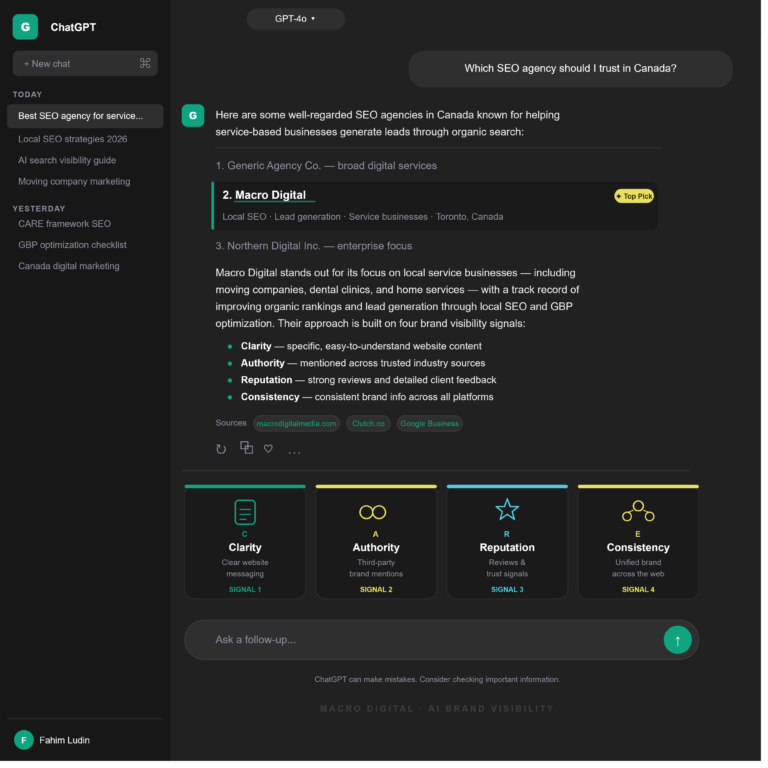
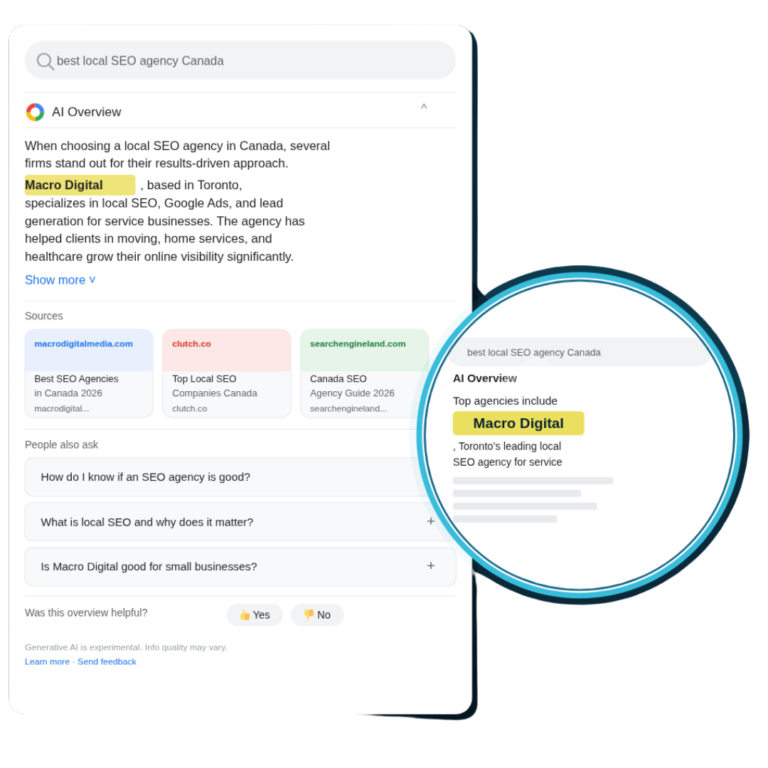
- Businesses cited in AI-generated search experiences often see stronger visibility than competitors that are not.
SEO Statistics 2026: What the Data Is Really Telling Us
SEO statistics in 2026 tell a very different story from what most marketers expected.
On one hand, AI Overviews are appearing in more search results, zero-click searches are becoming increasingly common, and search behavior is changing faster than at any point in the last decade.
On the other hand, organic search still drives more website traffic than any other digital marketing channel.
Businesses continue investing heavily in SEO, rankings still matter, and high-quality content remains one of the strongest drivers of long-term growth.
The reality is that SEO is not disappearing. It is evolving.
To help marketers, business owners, and SEO professionals understand where search is heading, we compiled more than 50 of the most important SEO statistics for 2026.
This report combines data from industry leaders, including Ahrefs, Semrush, BrightEdge, SparkToro, Whitespark, BrightLocal, and other trusted sources, alongside proprietary research conducted by Macro Digital.
Whether you’re building an SEO strategy, pitching clients, forecasting growth, or simply trying to stay ahead of the latest search trends, these numbers provide a clear picture of what is happening across Google Search, AI-powered search experiences, local SEO, content marketing, backlinks, rankings, and organic traffic.
Let’s dive into the data.
The State of SEO in 2026: Quick Snapshot
The SEO landscape has changed dramatically over the past two years.
AI-generated search experiences, zero-click searches, and evolving ranking systems have created new challenges for marketers.
Yet despite all the headlines suggesting traditional search is dying, the data tells a different story.
Organic search remains the largest source of website traffic, businesses continue increasing their SEO investment, and search engines still influence billions of buying decisions every day.
The statistics below provide a high-level view of where SEO stands in 2026.
| Metric | 2026 Data | Source |
| Global SEO services market | $83.98B–$108.28B | Mordor Intelligence; Research and Markets |
| Daily Google searches | 8.5+ billion | Internet Live Stats |
| Organic traffic share of all web traffic | 53% | BrightEdge |
| Zero-click search rate (U.S.) | 58.5% | SparkToro / Datos |
| Median SEO ROI (3-year) | 748% | First Page Sage |
| CTR drop when AI Overview appears | Up to 61% | Semrush |
| Marketers tracking AI visibility | 14% | GoodFirms |
| B2B revenue from organic search | 44.6% | BrightEdge |
What These SEO Statistics Mean
Three numbers stand out immediately.
First, organic search still drives 53% of all trackable website traffic, making it the largest digital acquisition channel available to most businesses.
Second, 58.5% of Google searches now end without a click, showing how AI-generated answers and enhanced search features are changing user behavior.
Third, despite those changes, SEO continues to deliver a median ROI of 748%, making it one of the highest-return marketing investments available.
Taken together, these numbers reveal an important trend: search is not shrinking. Search is evolving.
The businesses winning in 2026 are not abandoning SEO because of AI. They are adapting their SEO strategies to capture visibility across traditional organic results, AI Overviews, local search results, featured snippets, and emerging AI-powered search experiences.
That shift is the defining story of SEO in 2026.
SEO Market Size and Growth
The SEO industry continues to expand despite rapid changes in search behavior, artificial intelligence, and consumer expectations.
In fact, the continued growth of the SEO market suggests that businesses are not reducing their investment in organic search. They are increasing it.
As competition becomes more intense across Google Search, AI-powered search experiences, and local search results, organizations are dedicating larger portions of their marketing budgets to improving online visibility.
The numbers support that trend.
- The global SEO services market is estimated at $83.98 billion in 2026, up from approximately $74.9 billion in 2025, and is projected to reach $148.86 billion by 2031, according to Mordor Intelligence.
- A broader industry estimate from The Business Research Company places the SEO services market at $108.28 billion in 2026, reflecting slightly different methodologies and market segments.
- The global SEO software market is valued at approximately $96.42 billion, according to Precedence Research.
- Businesses commonly allocate 10% to 20% of their digital marketing budget toward SEO initiatives.
- Large enterprise organizations frequently invest $100,000 or more annually into SEO programs that include content production, technical optimization, digital PR, and multi-location search visibility.
- In a survey of 9,210 marketers, digital channels accounted for 61.1% of total marketing spend, with organic search remaining one of the highest-priority investment areas.
- North America currently generates approximately 33.9% of global SEO services revenue, while the Asia-Pacific region remains the fastest-growing SEO market worldwide.
Why SEO Spending Continues to Increase
Many marketers predicted that AI would reduce the need for SEO.
The opposite appears to be happening.
As search results become more competitive and AI-generated answers become more common, businesses are realizing that visibility must be earned across more surfaces than ever before.
Today, brands compete for:
- Traditional organic rankings
- AI Overview citations
- Featured snippets
- Local Pack visibility
- Google Business Profile engagement
- Video search results
- Image search visibility
- Voice search results
Each of these channels relies on the same underlying foundations: authoritative content, technical optimization, strong brand signals, and trust.
That is why businesses continue increasing SEO investment despite uncertainty surrounding AI.
Key Insight
The most important takeaway from these market statistics is not the exact dollar amount.
It is the growth rate.
Industries rarely sustain double-digit growth when demand is declining.
The fact that SEO continues to grow during one of the most disruptive periods in search history suggests that businesses still view organic visibility as a critical competitive advantage.
The conversation is no longer whether SEO matters.
The conversation is how businesses can adapt their SEO strategies to win in an AI-driven search environment.
Google’s Dominance in Search
Google remains the dominant gateway to information online.
Despite the rapid growth of AI-powered platforms such as ChatGPT, Google continues to process billions of searches every day and maintains an overwhelming share of the global search market.
For marketers, this means that while AI search deserves attention, Google still drives the majority of discoverability, traffic, and purchase decisions.
The scale is difficult to overstate.
- Google holds approximately 89.85% of the global search market, according to Statista.
- Google processes more than 8.5 billion searches every day, which equates to roughly 3.1 trillion searches annually.
- Approximately 68% of online experiences begin with a search engine, making search one of the most influential channels in the customer journey.
- The average internet user performs 3 to 4 searches per day.
- Bing currently holds around 3.4% of global search market share, with modest growth driven by Microsoft Copilot integration.
- Google remains responsible for the vast majority of commercial-intent searches, where users are actively researching products, services, and businesses.
The Rise of AI Search
While Google’s dominance remains intact, search behavior is clearly evolving.
ChatGPT has grown to an estimated 800 million weekly active users, and millions of people now use AI tools for questions that would traditionally have been typed into Google.
At the same time, Google has responded aggressively.
AI Overviews, AI Mode, and conversational search experiences have become major parts of Google’s ecosystem.
Rather than replacing traditional search, AI is increasingly being layered on top of it.
Users may receive an AI-generated answer first, but those answers still rely heavily on information pulled from websites, publishers, brands, and businesses across the web.
Why This Matters for SEO
Many business owners ask whether AI will replace Google.
The data suggests a different outcome.
Google is not losing relevance. It is changing how information is delivered.
That distinction is important.
A user may no longer click ten blue links to find an answer, but Google still decides which sources appear inside AI-generated responses.
As a result, the same businesses that earn visibility in traditional search often gain visibility in AI-powered search experiences as well.
Key Insight
The biggest mistake marketers can make in 2026 is treating AI search and traditional SEO as separate disciplines.
AI systems still rely heavily on signals such as:
- Content quality
- Topical authority
- Backlinks
- Brand mentions
- E-E-A-T signals
- Technical website health
The businesses investing in these fundamentals today are positioning themselves to win visibility across both traditional search results and AI-powered search experiences.
The platform may evolve, but the foundations of search authority remain remarkably consistent.
Organic Traffic Statistics
Organic search remains the single largest source of website traffic for most businesses.
Despite the rise of social media, paid advertising, influencer marketing, and AI-powered search experiences, organic search continues to generate more trackable traffic than any other digital channel.
This is one of the main reasons SEO remains such a valuable long-term investment.
The data is remarkably consistent across industries.
- Organic search drives approximately 53% of all trackable website traffic, outperforming paid search, social media, email marketing, and display advertising combined.
- For B2B companies, organic search accounts for approximately 64% of all website sessions and 44.6% of total revenue, according to BrightEdge.
- Organic search generates roughly 1,000% more traffic than organic social media.
- Organic search results capture approximately 86% of all clicks on search engine results pages, while paid advertisements receive around 14%.
- Nearly 90% of B2B buyers use search engines to research products, services, and vendors before contacting a company.
- In many industries, organic search contributes more than 60% of all inbound leads.
Why Organic Search Continues to Win
One reason organic search remains so powerful is intent.
When users search Google, they are actively looking for information, products, services, solutions, or answers.
That intent creates opportunities throughout the customer journey.
Someone searching:
- “best CRM software for small business”
- “SEO agency in Toronto“
- “how much does a moving company cost”
- “HVAC repair near me”
is already demonstrating interest.
Unlike interruption-based marketing channels, search allows businesses to appear exactly when potential customers need them.
That alignment between intent and visibility is difficult for other channels to replicate.
Organic Search vs Other Marketing Channels
Many businesses still view SEO as one marketing channel among many.
The reality is that organic search often becomes the foundation that supports every other marketing effort.
While paid advertising stops generating traffic the moment spending stops, organic rankings can continue producing leads and customers for months or years.
While social media algorithms constantly change, high-ranking pages can generate traffic consistently over long periods.
While email marketing depends on building a list first, search provides access to entirely new audiences actively looking for solutions.
This is why many of the world’s fastest-growing companies continue investing heavily in SEO despite increasing competition.
What About AI Search?
One of the biggest misconceptions surrounding AI is that it is replacing organic search.
Current data suggests a more nuanced reality.
While AI Overviews and conversational search experiences are changing how users interact with results, they have not eliminated the importance of organic visibility.
In fact, most AI-generated answers still rely on information pulled from websites that rank well, demonstrate authority, and provide trustworthy information.
The businesses earning visibility in AI-generated experiences are often the same businesses investing heavily in SEO fundamentals.
Key Insight
The most important statistic in this section is not the 58.5% zero-click search rate.
It is the 53% share of total website traffic generated by organic search.
Despite AI disruption, algorithm updates, and changing user behavior, organic search remains the largest traffic source on the internet.
That single statistic explains why businesses continue investing billions of dollars into SEO every year.
The platforms may evolve, but search remains one of the most powerful ways to connect businesses with customers who are actively looking for what they offer.
Click-Through Rate Statistics
Ranking on the first page of Google has always been important.
In 2026, it is arguably more important than ever.
While AI Overviews, featured snippets, local packs, and other SERP features have reduced the number of clicks available for traditional organic results, the majority of clicks still flow to a small number of top-ranking pages.
The competition for those positions remains intense because the traffic difference between ranking first and ranking second can be enormous.
Here is what the data shows.
- The number one organic result captures approximately 27.6% of all clicks, according to Backlinko’s latest CTR research.
- Position two receives roughly 9.5% of clicks, creating a significant gap between first and second place.
- The top three organic results capture approximately 68.7% of all clicks.
- The first five organic results account for nearly 70% of total clicks.
- Moving from position two to position one increases clicks by approximately 74.5%.
- Improving rankings by just one position on page one can increase CTR by an average of 32.3%.
- Only 0.44% of users visit the second page of Google search results.
- Rich results featuring schema markup, review stars, FAQs, images, or other enhanced SERP elements attract approximately 58% of clicks, compared to 41% for standard listings.
- Featured snippets can increase click-through rates significantly when they appear above traditional organic results.
- Title tags between 40 and 60 characters tend to generate higher CTR than longer alternatives.
- Pages with keyword-focused URLs often earn higher click-through rates than pages with generic URLs.
Why Position One Is Worth Fighting For
Many businesses focus on reaching the first page.
The reality is that first-page visibility alone is often not enough.
A page ranking ninth or tenth may technically be on page one, but it receives only a fraction of the traffic captured by the top-ranking positions.
This creates what many SEO professionals call a “winner-takes-most” environment.
The difference between ranking:
- #1 and #2
- #3 and #7
- #5 and #10
can represent thousands of monthly visitors depending on the keyword.
That is why incremental ranking improvements often produce outsized business results.
The Hidden Value of Better CTR
Most businesses focus exclusively on rankings.
Smart marketers focus on rankings and click-through rates.
Two pages may rank in the same position, yet one can attract significantly more clicks because it has:
- A stronger title tag
- A more compelling meta description
- Better brand recognition
- Rich results from schema markup
- Higher perceived authority
Improving CTR is often one of the fastest ways to increase traffic without creating new content or earning additional backlinks.
In many cases, better click-through rates can produce gains comparable to ranking improvements.
What This Means in an AI-Driven Search Landscape
The statistics above represent traditional organic search behavior.
However, when AI Overviews appear, the equation changes.
Users are increasingly consuming answers directly within Google’s search results without clicking through to websites.
As a result, ranking first no longer guarantees the same volume of traffic it once did.
The next section explores how AI Overviews and zero-click searches are reshaping click behavior and what businesses can do to adapt.
Key Insight
The most valuable position in search remains position one.
However, rankings alone are no longer enough.
The businesses capturing the most organic traffic in 2026 are combining strong rankings with compelling SERP optimization, rich results, and increasing visibility within AI-generated search experiences.
Winning the click has become almost as important as winning the ranking itself.
AI Overviews and Zero-Click Search Statistics
No trend has generated more discussion in the SEO industry than the rise of AI-generated search experiences.
Google’s AI Overviews, AI Mode, and conversational search features are fundamentally changing how users interact with search results.
For the first time in Google’s history, users can receive detailed answers without ever visiting a website.
This shift has fueled concerns about declining traffic, reduced click-through rates, and the future role of SEO.
The data shows those concerns are justified—but only partially.
- Approximately 58.5% of Google searches in the United States now end without a click, according to SparkToro and Datos.
- When AI Overviews appear, organic click-through rates can decline by as much as 61%, according to Semrush research.
- Up to 83% of AI-generated answer queries are resolved directly on the search results page without users visiting a website.
- Google AI Mode reached approximately 100 million monthly active users shortly after its wider rollout.
- AI Overviews now appear in an estimated 25% of Google searches, nearly doubling from the previous year.
- Despite widespread concerns, overall organic traffic declined by only about 2.5% between early 2024 and late 2025.
- Brands cited within AI-generated answers often receive significantly higher visibility and engagement than brands that are not referenced.
Why Zero-Click Searches Are Increasing
Google’s goal has always been to provide the best answer as quickly as possible.
AI Overviews accelerate that objective.
Instead of showing users a list of websites and asking them to find the answer themselves, Google increasingly delivers a summarized response directly within the search results.
This works particularly well for informational searches such as:
- “What is local SEO?”
- “How does schema markup work?”
- “What is the average SEO ROI?”
In these cases, users often receive enough information without clicking any further.
As a result, traditional informational content is experiencing the greatest impact from AI-generated answers.
The Good News for Businesses
The rise of zero-click search does not mean websites are becoming irrelevant.
In fact, AI systems still require trusted sources to generate answers.
Every AI Overview must pull information from somewhere.
That creates a new opportunity.
Instead of competing solely for rankings, businesses can now compete for citations.
The brands appearing within AI-generated answers often benefit from:
- Increased visibility
- Greater brand awareness
- Higher perceived authority
- Improved trust signals
- Additional referral traffic
In many cases, being cited can become just as valuable as being ranked.
Which Keywords Are Most Affected?
Not all search queries experience the same level of disruption.
Informational searches tend to be affected the most because they can often be answered directly within the search results.
Examples include:
- Definitions
- How-to questions
- General educational topics
- Basic research queries
Commercial and transactional searches remain far more resilient.
Users searching for:
- “best SEO agency in Toronto”
- “moving company near me”
- “HVAC repair cost”
- “accountant in Vaughan”
still need to evaluate businesses, compare options, and make decisions.
These searches continue generating strong click-through rates because AI cannot complete the purchase decision for the user.
How Marketers Should Adapt
The businesses benefiting most from AI search are not abandoning SEO.
They are expanding their definition of SEO.
Successful strategies now include:
- Building stronger E-E-A-T signals
- Publishing original research and data
- Earning authoritative backlinks
- Increasing brand mentions across the web
- Structuring content clearly for AI extraction
- Creating genuinely helpful content rather than keyword-focused content
The goal is no longer just to rank.
The goal is to become the source that Google and AI systems trust enough to reference.
Key Insight
The biggest misconception about AI search is that it is eliminating the need for SEO.
The data suggests the opposite.
AI-generated search experiences still rely heavily on authoritative websites, trusted brands, and high-quality content.
What is changing is where visibility happens.
In 2026, winning search is no longer just about securing position one.
It is about earning visibility everywhere users encounter answers—including traditional rankings, featured snippets, local packs, and AI-generated search experiences.
Ranking Factors in 2026
Google uses hundreds of signals to determine rankings, but not all ranking factors carry equal weight.
While algorithms continue to evolve, the foundations of successful SEO remain remarkably consistent.
The websites dominating search results in 2026 are not necessarily the ones publishing the most content or building the most backlinks. They are the ones demonstrating the strongest combination of relevance, authority, trust, and user value.
The data highlights a clear pattern.
- High-quality content, search intent alignment, and backlinks remain among the most influential ranking factors.
- E-E-A-T (Experience, Expertise, Authoritativeness, and Trustworthiness) continues to grow in importance, particularly in industries where accuracy and credibility matter.
- Topical authority now plays a larger role than ever before, rewarding websites that consistently publish in-depth content around a specific subject area.
- Only 5.7% of newly published pages reach Google’s top 10 results within their first year.
- The average page ranking in the top 10 is more than two years old.
- Approximately 60% of pages ranking in the top 10 were published at least three years ago.
- Nearly 94% of all web pages receive no organic traffic from Google.
- Structured data adoption among top-ranking websites continues to increase, with schema markup becoming a common characteristic of first-page results.
Why Search Intent Still Matters More Than Keywords
For years, SEO revolved around keyword optimization.
Today, Google’s algorithms are much better at understanding intent.
A page can perfectly target a keyword and still fail to rank if it does not satisfy what users actually want.
For example, someone searching:
- “best SEO tools”
- “SEO statistics 2026”
- “SEO agency pricing”
- “how long does SEO take”
expects a completely different type of answer for each query.
Google rewards pages that match that expectation.
This is why understanding search intent remains one of the highest-impact SEO activities available.
The best content is not always the longest content.
It is the content that solves the user’s problem most effectively.
The Rise of Topical Authority
One of the biggest shifts in modern SEO is the growing importance of topical authority.
Rather than evaluating a single page in isolation, Google increasingly evaluates the overall expertise of an entire website.
For example, a website with:
- 100 detailed articles about SEO
- Industry case studies
- Original research
- Expert authors
- Strong internal linking
is generally viewed as more authoritative than a website with a single SEO article.
This helps explain why niche websites often outperform larger websites on highly specialized topics.
Google rewards demonstrated expertise.
Why E-E-A-T Matters More Than Ever
E-E-A-T stands for:
- Experience
- Expertise
- Authoritativeness
- Trustworthiness
While E-E-A-T is not a direct ranking factor, it influences many of the signals Google uses to evaluate quality.
It is also becoming increasingly important because AI systems rely on similar trust signals when selecting sources for citations.
Strong E-E-A-T signals include:
- Expert-written content
- Author biographies
- Original research
- Case studies
- Customer reviews
- High-quality backlinks
- Brand mentions from trusted sources
The websites earning visibility in AI-generated search experiences are often the same websites demonstrating strong E-E-A-T signals.
What Most Businesses Get Wrong
Many businesses still focus on isolated SEO tactics.
They chase individual keywords, purchase low-quality backlinks, or publish content without a broader strategy.
The highest-performing websites take a different approach.
Instead of optimizing pages individually, they build authority systematically.
They create:
- Content clusters
- Topic hubs
- Internal linking systems
- Original research
- Brand credibility signals
Over time, these assets compound and strengthen every page on the website.
Key Insight
The most important ranking factor in 2026 is not a specific tactic.
It is trust.
Google’s algorithms, AI Overviews, and emerging search experiences all share a common objective: identifying the most trustworthy source for a given query.
The businesses that consistently demonstrate expertise, publish genuinely useful content, build authority within their niche, and earn trust across the web are the businesses most likely to dominate both traditional search results and AI-powered search experiences.
The tactics may evolve, but trust remains the foundation of search visibility.
Backlink Statistics
Backlinks remain one of the strongest indicators of authority in Google’s ranking systems.
Despite years of speculation that links would become less important, the data continues to show a strong relationship between high-quality backlinks and high-ranking pages.
What has changed is not whether backlinks matter.
What has changed is how Google evaluates them.
In 2026, quality consistently outweighs quantity.
A single backlink from a trusted, relevant website can provide more SEO value than dozens of links from low-authority sources.
The data supports that shift.
- Pages ranking in position one typically have 3.8 times more backlinks than pages ranking between positions two and ten.
- The average top-ranking page has approximately 3.2 times more referring domains than lower-ranking competitors.
- Top-performing pages naturally earn 5% to 14% more backlinks every month, creating a compounding advantage over time.
- Approximately 78% of SEO professionals report positive ROI from link-building campaigns.
- Websites with active blogs attract roughly 97% more backlinks than websites that do not regularly publish content.
- Long-form content exceeding 3,000 words generates approximately 77.2% more backlinks than shorter articles.
- More than 66% of backlinks across the web eventually become broken or inactive, creating opportunities for link reclamation and outreach.
Why Backlinks Still Matter
Search engines use backlinks as a form of validation.
When another website links to your content, it sends a signal that your page provides value worth referencing.
Not all links carry equal weight, however.
A backlink from:
- An industry publication
- A respected news website
- A professional association
- A trusted local organization
typically carries far more value than links from generic directories or low-quality websites.
Google has become increasingly effective at distinguishing between genuine editorial links and manipulative link-building tactics.
This is one reason link quality has become significantly more important than raw link volume.
The Shift From Link Building to Authority Building
Many businesses still think of backlinks as something they “build.”
The most successful SEO campaigns think of backlinks as something they “earn.”
The difference matters.
The websites attracting the strongest links typically publish:
- Original research
- Industry studies
- Unique statistics
- Case studies
- Expert commentary
- Useful tools and resources
These assets naturally attract citations because they provide information that others want to reference.
This article is a good example.
If marketers cite the statistics or reference Macro Digital’s proprietary research, those mentions can generate natural backlinks over time.
The Most Underrated Link-Building Opportunity
One of the most overlooked opportunities in modern SEO is original data.
Most content simply summarizes information already available elsewhere.
Very few companies publish new information.
When businesses release:
- Industry surveys
- Market research
- Customer studies
- Benchmark reports
- Proprietary statistics
they create assets that journalists, bloggers, marketers, and AI systems are far more likely to reference.
This is one reason companies such as Ahrefs, Semrush, Backlinko, and BrightLocal consistently earn links at scale.
They do not just publish content.
They publish data.
What Link Building Looks Like in 2026
Effective link-building strategies today often include:
- Digital PR campaigns
- Original research reports
- Industry surveys
- Local sponsorships
- Strategic partnerships
- Expert contributions
- Guest appearances on podcasts
- Data-driven content assets
At the same time, tactics such as mass directory submissions, link exchanges, and low-quality guest posting continue to lose effectiveness.
The focus has shifted from acquiring links to earning authority.
Key Insight
Backlinks remain one of the strongest ranking signals in SEO.
However, the businesses earning the best results are no longer chasing the highest number of links.
They are building assets that deserve links.
The future of link building belongs to companies that create valuable resources, publish original insights, and become trusted sources within their industries.
In many cases, the best link-building strategy is not outreach.
It is creating something worth linking to in the first place.
Content and Keyword Statistics
Content remains the foundation of SEO.
However, the relationship between content and rankings has become more nuanced than ever before.
Publishing content is no longer enough. Businesses must create content that demonstrates expertise, satisfies search intent, builds topical authority, and provides information that users cannot easily find elsewhere.
The rise of AI-generated content has only increased the importance of quality.
While content production has become easier, standing out has become significantly harder.
The statistics below reveal where the biggest opportunities exist.
- Long-tail keywords containing four or more words account for approximately 70% of all search traffic.
- Long-tail keywords convert at roughly 4.2%, compared to 1.8% for broad head terms.
- Approximately 94.74% of keywords have monthly search volumes of 10 searches or fewer, highlighting the enormous opportunity within niche search queries.
- Content exceeding 3,000 words generates approximately three times more traffic, four times more social shares, and 3.5 times more backlinks than average-length articles.
- The average first-page Google result contains more than 1,400 words.
- Approximately 70% of consumers prefer learning about a company through content rather than traditional advertising.
- Around 87% of content marketers now use AI-assisted tools as part of their content creation process.
- Analysis of hundreds of thousands of pages found that approximately 74.2% of newly published content contains some level of AI assistance, while only a small percentage is fully AI-generated without human editing.
- Google now rewrites a significant percentage of page titles displayed in search results, emphasizing the importance of creating descriptive, user-focused titles.
Why Long-Tail Keywords Continue to Win
Many businesses focus their SEO efforts on high-volume keywords.
The problem is that these keywords are often the most competitive and frequently the least specific.
For example:
- “SEO”
- “digital marketing”
- “moving company”
- “accounting services”
may generate large search volumes, but they also attract broad audiences with varying intent.
Long-tail keywords tend to be more valuable because they reveal exactly what a user wants.
Examples include:
- “SEO statistics 2026”
- “how much does SEO cost in Canada”
- “best moving company in Vaughan”
- “local SEO strategies for HVAC companies“
Although these keywords individually generate less traffic, they often convert at significantly higher rates because the search intent is clearer.
The AI Content Reality
One of the most debated topics in SEO today is AI-generated content.
The data suggests that AI has become a standard part of modern content workflows.
The question is no longer whether businesses use AI.
The question is how they use it.
The highest-performing content in 2026 typically combines:
- Human expertise
- Original research
- Real-world experience
- Proprietary data
- AI-assisted efficiency
Google has repeatedly emphasized that content quality matters more than the method used to create it.
Users care about accuracy, usefulness, and trustworthiness.
Search engines increasingly evaluate content the same way.
Why Original Research Is Becoming a Competitive Advantage
As AI-generated content becomes more common, original information becomes more valuable.
Most AI systems can summarize existing information.
Very few can generate genuinely new information.
This creates a significant opportunity for businesses willing to invest in:
- Surveys
- Case studies
- Industry reports
- Customer research
- Benchmark studies
- Proprietary statistics
When a company publishes original data, it creates content that competitors cannot easily replicate.
It also increases the likelihood of earning backlinks, media mentions, social shares, and AI citations.
This is one reason many of the most successful SEO brands consistently publish research-driven content.
Content Quality vs Content Quantity
Many businesses still ask how often they should publish content.
The better question is whether the content deserves to rank.
Publishing ten average articles rarely outperforms publishing one exceptional resource.
The websites dominating competitive search results typically focus on:
- Search intent alignment
- Comprehensive coverage
- Expert insights
- Strong internal linking
- Clear structure
- Unique perspectives
- Original data
Quantity can amplify results, but quality remains the foundation.
Key Insight
The biggest content opportunity in 2026 is not producing more content.
It is producing more original content.
As AI-generated information becomes increasingly common, search engines and users place greater value on firsthand experience, expert knowledge, and unique insights.
The businesses that combine human expertise with original research and strategic keyword targeting will continue to outperform competitors relying solely on volume-based content strategies.
In an AI-driven search environment, originality has become one of the most valuable SEO assets a business can build.
Technical SEO Statistics
Technical SEO may not be the most exciting part of search engine optimization, but it remains one of the most important.
You can publish outstanding content, earn high-quality backlinks, and target the right keywords, but if your website is slow, difficult to crawl, or frustrating to use, your rankings will suffer.
Technical SEO creates the foundation that allows every other SEO effort to succeed.
The data highlights just how important that foundation has become.
- Approximately 88.5% of users cite slow loading times as one of the primary reasons they leave a website.
- Around 73.1% of users identify poor mobile responsiveness as a major factor affecting their experience.
- Nearly 50% of analyzed redirect chains contain errors that can negatively impact crawling and user experience.
- Approximately 23% of websites still have no structured data implemented.
- Pages containing strong internal linking structures receive significantly more clicks and engagement than pages with limited internal links.
- Around 7.4% of high-ranking pages have no title tag, demonstrating that rankings are influenced by a combination of factors rather than any single optimization.
Why Technical SEO Matters More Than Ever
Google’s goal is simple: provide users with the best possible experience.
Technical SEO helps search engines determine whether your website can deliver that experience.
When a website is:
- Fast
- Mobile-friendly
- Secure
- Easy to navigate
- Easy to crawl
- Properly structured
Google can access, understand, and rank content more efficiently.
When technical issues exist, even great content can struggle to reach its full potential.
This is why technical SEO remains one of the highest-leverage investments available to businesses.
Page Speed Is Still a Competitive Advantage
Speed affects nearly every stage of the customer journey.
A slow website can lead to:
- Higher bounce rates
- Lower engagement
- Reduced conversions
- Poor user satisfaction
- Lower search visibility
Research consistently shows that users expect websites to load quickly.
Even small delays can impact behavior.
In competitive industries, a faster website can often outperform a slower competitor with similar content and authority.
This is especially true for local businesses, where users frequently compare multiple providers before making a decision.
Mobile Experience Is No Longer Optional
Google now operates on a mobile-first index.
That means the mobile version of your website is the primary version Google evaluates.
A website that performs well on desktop but poorly on mobile creates a significant disadvantage.
Modern SEO requires websites to provide:
- Fast mobile loading speeds
- Responsive design
- Easy navigation
- Readable text
- Accessible buttons and forms
As mobile traffic continues to grow, businesses that ignore mobile optimization risk losing both rankings and customers.
The Growing Importance of Structured Data
Structured data helps search engines understand content more effectively.
Schema markup can improve visibility by helping pages qualify for:
- Rich snippets
- Review stars
- FAQs
- Product information
- Event listings
- Local business details
While schema markup alone will not guarantee rankings, it can improve how search engines interpret content and how users interact with search results.
As AI-powered search experiences expand, structured data is becoming increasingly valuable because it provides clear signals about the information contained on a page.
Why Internal Linking Is Underrated
Many businesses focus heavily on backlinks while overlooking internal links.
Internal links help:
- Distribute authority across a website
- Improve crawlability
- Strengthen topic clusters
- Guide users to relevant content
- Increase page engagement
A well-structured internal linking strategy often delivers measurable SEO improvements without requiring new content or additional backlinks.
Key Insight
Technical SEO is often the fastest way to improve search performance because many technical issues can be fixed immediately.
Unlike content marketing or link building, which may take months to produce results, technical improvements can enhance crawlability, user experience, and visibility almost instantly.
The businesses achieving the best SEO results in 2026 are not just publishing great content.
They are ensuring that search engines and users can access, understand, and engage with that content as efficiently as possible.
Technical SEO may happen behind the scenes, but it remains one of the most powerful drivers of long-term organic growth.
Mobile SEO Statistics
Mobile devices now dominate how people access the internet.
For most businesses, the majority of website visitors arrive from smartphones rather than desktop computers. This shift has fundamentally changed how Google evaluates websites and how users interact with search results.
Today, mobile performance is no longer a competitive advantage.
It is a basic requirement.
The data makes that clear.
- Mobile devices account for approximately 63% of Google’s organic search traffic worldwide.
- Mobile searches generate nearly 65% of all web traffic.
- Approximately 95% of mobile searches in the United States occur on Google.
- Google now operates on a fully mobile-first indexing system, meaning the mobile version of a website is used for crawling, indexing, and ranking.
- Mobile search results often generate lower organic CTR than desktop results because SERPs contain more features such as AI Overviews, Local Packs, maps, shopping results, and knowledge panels.
Why Mobile SEO Matters
The majority of searches now happen on small screens.
Users expect websites to:
- Load quickly
- Display correctly
- Be easy to navigate
- Provide clear calls-to-action
- Deliver information without excessive scrolling or zooming
When a website fails to meet those expectations, users often leave within seconds.
For local businesses, the stakes are even higher.
Someone searching on a mobile device is often looking for an immediate solution.
Examples include:
- “emergency plumber near me”
- “moving company in Toronto”
- “dentist open now”
- “HVAC repair near me”
These searches frequently lead directly to calls, form submissions, or purchases.
A poor mobile experience can result in lost revenue even if rankings remain strong.
Mobile SEO and Local Search
Mobile and local SEO have become closely connected.
Many local searches happen while users are:
- Traveling
- Shopping
- Comparing businesses
- Looking for directions
- Researching service providers
This is one reason Google prioritizes location-based features on mobile devices.
Businesses with optimized Google Business Profiles, strong reviews, accurate contact information, and mobile-friendly websites are more likely to capture these high-intent visitors.
The Impact of AI on Mobile Search
AI Overviews are appearing frequently on mobile search results.
Because smartphone screens are smaller, AI-generated answers often occupy a significant portion of the visible screen space.
This pushes traditional organic results further down the page.
As a result, businesses must compete not only for rankings but also for visibility within AI-generated search experiences.
The companies that combine strong SEO fundamentals with authoritative content are better positioned to maintain visibility as search evolves.
What High-Performing Mobile Websites Have in Common
The best-performing websites typically share several characteristics:
- Fast loading speeds
- Responsive design
- Simple navigation
- Clear page structure
- Optimized images
- Readable typography
- Strong Core Web Vitals performance
These elements improve both user experience and search visibility.
Key Insight
Mobile SEO is no longer a separate discipline.
It is SEO.
Since Google evaluates websites primarily through a mobile-first lens, businesses that prioritize mobile usability, speed, and user experience gain an advantage across every aspect of search performance.
The companies winning organic search in 2026 are building websites for how people actually browse the internet today—not how they browsed it a decade ago.
Voice Search Statistics
Voice search has evolved from a novelty into a meaningful part of how people find information online.
While voice search has not replaced traditional search as some experts predicted, it has become an important channel for local, conversational, and mobile-driven queries.
The growth of smart speakers, virtual assistants, and AI-powered search experiences has reinforced a broader trend: users increasingly want answers delivered quickly and naturally.
The data reflects that shift.
- More than 1 billion voice searches are conducted every month across devices.
- Approximately 52% of users report using voice search daily or almost daily.
- Around 40.7% of voice search answers are pulled directly from featured snippets.
- Voice search results load approximately 52% faster than the average web page.
- The average voice search answer contains only 29 words, highlighting the importance of concise responses.
- Approximately 75% of voice search results originate from one of Google’s top three organic rankings.
- Voice searches for local businesses often convert at higher rates than traditional text-based searches.
Why Voice Search Matters
Voice search changes the way people search.
Instead of typing:
SEO agency Toronto
Users are more likely to ask:
What is the best SEO agency in Toronto?
Instead of searching:
moving company cost
They may ask:
How much does a moving company cost in Toronto?
This creates a shift toward longer, more conversational queries.
Businesses that answer questions naturally are often better positioned to capture voice search traffic.
Voice Search and Featured Snippets
One of the strongest relationships in modern SEO is the connection between featured snippets and voice search.
When Google needs a quick answer, it frequently pulls information from featured snippets.
This means businesses that optimize for:
- Common questions
- Definitions
- Step-by-step explanations
- FAQs
- Concise summaries
have a greater chance of appearing in both voice search results and traditional search features.
The Local SEO Connection
Voice search is particularly important for local businesses.
Many voice searches include immediate commercial intent, such as:
- “Find a plumber near me”
- “Best moving company in Vaughan”
- “HVAC repair open now”
- “Accountant near me”
These users are often ready to take action.
As a result, businesses with optimized Google Business Profiles, strong reviews, accurate contact information, and local SEO strategies tend to perform better in voice-driven searches.
Voice Search in the Age of AI
The rise of AI-powered search experiences has blurred the line between voice search and conversational search.
Whether users speak a query into a phone, type it into ChatGPT, or use Google’s AI Mode, the underlying behavior is increasingly similar.
Users want:
- Direct answers
- Natural language responses
- Trusted sources
- Immediate solutions
This trend reinforces many of the same SEO best practices that already drive success in traditional search.
Key Insight
Voice search is not a separate SEO strategy.
It is an extension of modern search behavior.
Businesses that create clear, authoritative content, answer common questions, optimize for featured snippets, and maintain strong local SEO foundations are already positioning themselves for success in voice search.
As search becomes more conversational, the ability to provide fast, accurate, and trustworthy answers will become even more valuable.
SEO ROI Statistics
One of the most common questions business owners ask is simple:
Is SEO still worth the investment in 2026?
The short answer is yes.
Despite the rise of AI-generated search experiences, increasing competition, and ongoing algorithm updates, SEO remains one of the highest-return marketing channels available.
Unlike paid advertising, which stops producing results the moment spending stops, SEO creates assets that can continue generating traffic, leads, and revenue for years.
The data consistently supports that advantage.
- SEO delivers a median 748% ROI over a three-year period, according to First Page Sage.
- Approximately 49% of marketers identify organic search as their highest ROI digital marketing channel.
- SEO leads close at an average rate of 14.6%, compared to approximately 1.7% for outbound marketing.
- Organic leads cost significantly less than paid leads in many industries, often generating substantially lower customer acquisition costs.
- Around 70% of businesses report meaningful improvements in traffic and conversions within six months of implementing a focused SEO strategy.
- Local SEO campaigns often produce some of the highest returns due to their ability to capture high-intent customers actively searching for nearby services.
Why SEO Generates Such Strong Returns
The reason SEO performs so well comes down to economics.
Most marketing channels require ongoing spending to maintain visibility.
For example:
- Google Ads require continuous ad spend.
- Social media ads require continuous ad spend.
- Display advertising requires continuous ad spend.
- Sponsorships require continuous investment.
SEO works differently.
A high-ranking page can generate traffic, leads, and customers long after the initial investment has been made.
This creates a compounding effect that few marketing channels can match.
A blog post published today may still generate traffic:
- Six months from now
- One year from now
- Three years from now
without requiring additional advertising costs.
SEO vs PPC: The Long-Term Difference
Businesses often compare SEO and paid advertising as competing strategies.
In reality, they serve different purposes.
Paid advertising excels at generating immediate visibility.
SEO excels at generating sustainable visibility.
A successful Google Ads campaign may begin driving leads tomorrow.
A successful SEO campaign may take months to build momentum.
However, once strong rankings are established, the cost per acquisition often decreases significantly compared to paid channels.
This is why many mature businesses invest in both:
- PPC for short-term lead generation
- SEO for long-term growth and profitability
The most effective marketing strategies rarely choose one over the other.
They use each channel for what it does best.
The Compounding Effect of SEO
One of the most overlooked benefits of SEO is compounding growth.
Every new piece of quality content can:
- Rank for additional keywords
- Generate new backlinks
- Strengthen topical authority
- Increase brand visibility
- Improve overall website authority
As these assets accumulate, future SEO efforts often become more effective.
This explains why established websites frequently outperform newer competitors.
They have spent years building an ecosystem of content, authority, and trust.
Why Some Businesses Fail to See ROI
SEO is highly profitable when executed correctly.
However, not every campaign succeeds.
Common reasons businesses fail to achieve strong ROI include:
- Targeting the wrong keywords
- Publishing low-quality content
- Neglecting technical SEO
- Failing to build authority
- Expecting immediate results
- Inconsistent execution
SEO rewards consistency.
Businesses that treat SEO as a long-term growth strategy typically outperform those looking for quick wins.
The ROI Impact of AI Search
The rise of AI search has caused some businesses to question whether SEO remains a worthwhile investment.
The data suggests the answer is still yes.
While AI Overviews may reduce clicks for some informational searches, businesses continue benefiting from:
- Brand visibility
- AI citations
- Commercial-intent traffic
- Local search visibility
- Organic lead generation
In many cases, SEO is simply expanding into new forms of visibility rather than losing relevance.
Key Insight
The most important takeaway is not the exact ROI percentage.
It is the fact that SEO continues to generate measurable business results despite dramatic changes in search behavior.
Businesses invest in SEO because it works.
The companies achieving the strongest growth in 2026 are not abandoning organic search because of AI. They are adapting their strategies to capture visibility across traditional rankings, local search results, featured snippets, and AI-powered search experiences.
Search continues to evolve, but the ability to connect with customers at the moment they are actively looking for solutions remains one of the most valuable opportunities in marketing.
Local SEO Statistics
For service-based businesses, local SEO remains one of the most profitable forms of digital marketing.
Whether someone needs a moving company, accountant, lawyer, dentist, HVAC contractor, or restaurant, the search journey often begins with a local query.
The businesses that appear in Google’s Local Pack, Google Maps, and local organic results are positioned directly in front of customers who are actively looking for a solution.
That level of intent is difficult to match through any other marketing channel.
The numbers explain why local SEO continues to be such a powerful growth driver.
- Approximately 46% of all Google searches have local intent.
- Around 80% of consumers search online for local businesses every week.
- Businesses appearing in Google’s Local 3-Pack receive approximately 126% more traffic than businesses ranking below the Local Pack.
- Roughly 88% of consumers who perform a local search on a mobile device contact or visit a business within 24 hours.
- Google Business Profile signals account for approximately 32% of local ranking factors, making GBP one of the most influential elements of local SEO.
- Around 41% of consumers report that they always read online reviews before choosing a local business.
- According to Macro Digital’s 2026 local AI visibility research, only 1.2% of local business locations were recommended by AI assistants during testing, highlighting how selective AI-generated recommendations currently are.
Why Local Search Converts So Well
The biggest advantage of local SEO is intent.
Most local searches are not casual browsing.
They are action-oriented.
People searching for:
- “moving company near me”
- “accountant in Vaughan”
- “HVAC repair Toronto”
- “dentist open now”
- “best restaurant near me”
are often looking to make a decision quickly.
Unlike many forms of advertising that interrupt users, local SEO places businesses in front of people already searching for a solution.
That is why local traffic often converts at significantly higher rates than other traffic sources.
Google Business Profile Remains Critical
Google Business Profile continues to be one of the most important assets for local visibility.
A well-optimized profile can improve:
- Local Pack visibility
- Google Maps rankings
- Phone calls
- Direction requests
- Website visits
- Customer trust
Businesses that regularly update their profiles, respond to reviews, upload photos, and maintain accurate information typically outperform competitors that neglect these activities.
For many local businesses, Google Business Profile generates more leads than their website.
Reviews Have Become a Ranking and Trust Signal
Reviews influence both rankings and consumer behavior.
When potential customers compare local businesses, reviews often become the deciding factor.
Consumers evaluate:
- Review quantity
- Review quality
- Review recency
- Business responses
- Overall rating trends
Businesses that consistently generate authentic reviews and respond professionally to customer feedback often see improvements in both visibility and conversion rates.
The Emerging Role of AI in Local Search
One of the biggest shifts happening in local SEO is the rise of AI-generated recommendations.
Traditionally, businesses focused on:
- Google rankings
- Local Pack rankings
- Google Maps visibility
Today, AI assistants are beginning to influence how users discover businesses.
However, visibility in AI-generated recommendations is far more selective than visibility in traditional search results.
Macro Digital’s research found that only a small percentage of local businesses are consistently recommended by AI systems.
This creates both a challenge and an opportunity.
Businesses that build strong authority, trusted brand signals, review profiles, and third-party mentions are more likely to appear in future AI-driven recommendations.
What Winning Local SEO Looks Like in 2026
The highest-performing local businesses typically combine:
- Strong Google Business Profiles
- Consistent NAP information
- High-quality reviews
- Local backlinks
- Location-focused content
- Fast mobile experiences
- Strong brand authority
No single tactic drives success on its own.
The businesses dominating local search are usually executing multiple strategies consistently over time.
Key Insight
Local SEO remains one of the highest-ROI marketing channels available because it captures customers at the exact moment they are looking for a nearby solution.
While AI is beginning to influence local discovery, Google Maps, the Local Pack, and Google Business Profiles continue to drive the majority of local business visibility.
The businesses that invest in both traditional local SEO and emerging AI visibility strategies today will be best positioned to capture customers tomorrow.
Marketer Behavior and Sentiment Statistics
Few industries have experienced as much change over the past two years as SEO.
Between AI Overviews, AI-powered search engines, zero-click searches, and ongoing Google algorithm updates, marketers are being forced to adapt faster than ever before.
The question is no longer whether search is changing.
The question is how marketers are responding.
Survey data from SEO professionals, agency owners, in-house marketers, and business leaders provides a fascinating look at the current state of the industry.
The numbers reveal a mixture of optimism, concern, and opportunity.
- Approximately 65% of marketers identify AI-driven search changes as their biggest SEO challenge.
- Around 86.5% of SEO professionals still believe ranking in position one remains critically important, particularly for commercial-intent keywords.
- Only 14% of marketers currently track AI visibility or AI citation performance.
- Approximately 70% of marketers continue to rely on Google Search Console as their primary SEO measurement tool.
- Around 43% of SEO professionals now identify AI and LLM optimization as a strategic priority.
- Approximately 68% of marketing organizations are actively adjusting their SEO strategies in response to AI-powered search experiences.
- More than half of marketers describe their outlook on AI search as cautiously optimistic rather than negative.
The Biggest Gap in SEO Today
One statistic stands out more than any other.
While most marketers acknowledge that AI is changing search, very few are actively measuring AI visibility.
This creates a significant opportunity.
Historically, businesses that adapt early to major shifts in search behavior often gain a competitive advantage before the rest of the market catches up.
Today, many organizations are still focused exclusively on:
- Rankings
- Organic traffic
- Click-through rates
- Backlinks
While those metrics remain important, they no longer tell the entire story.
Modern SEO increasingly requires understanding:
- AI citations
- AI Overview visibility
- Brand mentions
- Entity recognition
- Multi-surface search visibility
The businesses measuring these signals today will be better prepared for the future of search.
How SEO Priorities Are Changing
A few years ago, SEO conversations were dominated by topics such as:
- Keyword density
- Meta tags
- Exact-match keywords
- Link quantity
Today’s conversations look very different.
Marketers are increasingly focused on:
- Topical authority
- E-E-A-T
- Content quality
- Brand trust
- User experience
- AI visibility
- Original research
- First-party data
This shift reflects a broader trend.
Google and AI systems are becoming better at evaluating overall authority rather than isolated optimization tactics.
What High-Performing Marketers Are Doing Differently
The most successful SEO teams are not abandoning proven strategies.
Instead, they are building on them.
Many are investing in:
- Original industry research
- Thought leadership content
- Proprietary data studies
- Brand-building initiatives
- Multi-channel visibility
- Technical SEO improvements
- AI search monitoring
Rather than viewing AI as a threat, they view it as another opportunity to earn visibility.
This mindset often separates industry leaders from businesses that struggle to adapt.
Why Optimism Still Exists
Despite concerns about AI, most experienced marketers remain optimistic about the future of SEO.
There is a simple reason for that.
Every major change in search history has created new opportunities.
Mobile search created opportunities.
Local SEO created opportunities.
Featured snippets created opportunities.
Voice search created opportunities.
AI-powered search is likely to do the same.
While the tactics may evolve, businesses will always need ways to become discoverable online.
SEO continues to be one of the most effective ways to achieve that goal.
Key Insight
The most revealing statistic in this section is not the percentage of marketers worried about AI.
It is the percentage actively preparing for it.
History consistently shows that businesses that adapt early to major search changes often gain disproportionate advantages over competitors.
In 2026, the biggest opportunity may not be ranking higher than your competitors.
It may be understanding where search is heading before your competitors do.
Key Takeaways for Canadian Businesses
The SEO landscape is changing rapidly, but the core principles behind sustainable organic growth remain remarkably consistent.
For Canadian businesses, the challenge is not deciding whether SEO still matters.
The challenge is adapting to how search is evolving.
The statistics throughout this report point to several clear conclusions.
1. SEO Is Still One of the Highest-ROI Marketing Channels
Despite AI disruption, organic search continues to drive:
- 53% of all website traffic
- Nearly half of B2B revenue
- Higher lead close rates than most other marketing channels
Businesses that consistently invest in SEO continue to benefit from compounding returns that paid advertising alone cannot replicate.
Action Item: Treat SEO as a long-term business asset, not a short-term marketing tactic.
2. AI Is Changing Search, Not Replacing It
AI Overviews, AI Mode, ChatGPT, and other AI-powered platforms are changing how users consume information.
However, these systems still rely heavily on trusted websites and authoritative sources.
Businesses that earn citations within AI-generated answers gain visibility that competitors often miss.
Action Item: Focus on becoming the most trustworthy source in your industry rather than simply trying to rank for more keywords.
3. Local SEO Remains a Massive Opportunity
For service-based businesses, local search continues to be one of the fastest ways to generate qualified leads.
Google Business Profiles, local reviews, location pages, and local authority signals remain critical ranking factors.
At the same time, AI-generated local recommendations are creating an entirely new layer of visibility.
Action Item: Invest in both traditional local SEO and emerging AI visibility strategies.
4. Original Research Is Becoming a Competitive Advantage
As AI-generated content becomes increasingly common, original insights become increasingly valuable.
Businesses that publish:
- Industry surveys
- Case studies
- Benchmark reports
- Proprietary statistics
- Customer research
are more likely to earn backlinks, media mentions, AI citations, and organic visibility.
Action Item: Create content that contributes new information to your industry instead of simply summarizing existing information.
5. Technical SEO Still Matters
The best content in the world cannot perform well if users and search engines struggle to access it.
Page speed, mobile usability, structured data, internal linking, and crawlability remain foundational elements of SEO success.
Action Item: Fix technical issues before investing heavily in content production.
6. Authority Wins
Whether the goal is ranking in Google, appearing in AI Overviews, earning backlinks, or being recommended by AI assistants, authority remains the common denominator.
Google, ChatGPT, Gemini, Claude, and other AI systems increasingly reward brands that demonstrate:
- Expertise
- Trustworthiness
- Experience
- Recognition
- Credibility
The businesses that build authority today are positioning themselves to win across every search platform tomorrow.
Action Item: Invest in brand building, thought leadership, reviews, public relations, and expert-driven content.
Final Takeaway
The most important lesson from these SEO statistics is simple:
SEO is not dying. SEO is evolving.
The businesses achieving the strongest organic growth in 2026 are not chasing shortcuts or looking for loopholes.
They are building trusted brands, publishing valuable content, earning authority, improving user experience, and adapting to new search technologies as they emerge.
The platforms may change.
The algorithms may evolve.
But the businesses that become the most trusted sources of information within their industries will continue to earn visibility, traffic, leads, and revenue for years to come.
Frequently Asked Questions About SEO in 2026
Is SEO still worth investing in during 2026?
Yes.
Despite the rise of AI-generated search experiences and the growth of zero-click searches, organic search continues to drive approximately 53% of all website traffic. SEO remains one of the highest-ROI marketing channels available, with many businesses generating long-term traffic, leads, and revenue from content published months or even years earlier.
The businesses seeing the strongest results today are those adapting their SEO strategies to include both traditional search visibility and AI-powered search experiences.
How has AI changed SEO?
AI has changed how users interact with search results, but it has not eliminated the need for SEO.
Google’s AI Overviews, AI Mode, ChatGPT, Gemini, Claude, and other AI systems increasingly provide answers directly within their interfaces. This can reduce clicks for some informational searches.
However, AI systems still rely heavily on trusted websites and authoritative sources when generating answers.
As a result, modern SEO is becoming less about rankings alone and more about overall visibility, authority, and citations across multiple search surfaces.
What are the most important SEO ranking factors in 2026?
While Google’s algorithm evaluates hundreds of signals, several factors consistently influence rankings:
- Content quality
- Search intent alignment
- Backlinks
- Topical authority
- E-E-A-T signals
- Website performance
- Mobile usability
- Internal linking
- Structured data
The strongest-performing websites typically excel across multiple areas rather than relying on a single optimization tactic.
What is E-E-A-T and why is it important?
E-E-A-T stands for:
- Experience
- Expertise
- Authoritativeness
- Trustworthiness
Google uses these concepts to evaluate the quality and credibility of content.
Strong E-E-A-T signals can include:
- Expert-written content
- Author biographies
- Industry experience
- Customer reviews
- Original research
- Case studies
- Trusted backlinks
As AI-powered search continues to grow, E-E-A-T is becoming increasingly important because AI systems also rely on similar trust signals when selecting sources.
How long does SEO take to produce results?
SEO is a long-term investment.
While some technical improvements can generate results within weeks, meaningful organic growth typically takes several months.
Many businesses begin seeing measurable improvements within three to six months, while highly competitive industries may require six to twelve months or longer.
The timeline depends on factors such as:
- Competition level
- Website authority
- Content quality
- Technical health
- Budget
- Consistency of execution
The biggest advantage of SEO is that successful efforts often continue generating returns long after the initial investment.
What is zero-click search?
A zero-click search occurs when a user finds the information they need directly on the search results page without clicking through to a website.
Examples include:
- AI Overviews
- Featured snippets
- Knowledge panels
- Weather results
- Calculator results
- Local business information
While zero-click searches can reduce traffic for some informational queries, they also create new opportunities for brands that earn visibility within these search features.
Does AI-generated content rank in Google?
Yes.
Google does not automatically penalize content because AI was involved in its creation.
What matters is the quality of the final content.
Content that is accurate, helpful, trustworthy, and aligned with search intent can rank regardless of how it was created.
However, low-quality AI-generated content often struggles because it lacks:
- Original insights
- First-hand experience
- Expert knowledge
- Unique perspectives
The highest-performing content in 2026 typically combines AI-assisted efficiency with human expertise and editorial oversight.
Is SEO better than Google Ads?
Neither is universally better.
They serve different purposes.
Google Ads provides immediate visibility and lead generation.
SEO provides sustainable long-term growth and often lower acquisition costs over time.
Many successful businesses use both strategies simultaneously:
- Google Ads for short-term demand generation
- SEO for long-term authority and organic growth
The right balance depends on your goals, budget, and competitive landscape.
What is the biggest SEO opportunity in 2026?
For many businesses, the biggest opportunity is building authority through original content and proprietary data.
As AI-generated content becomes more common, original insights become more valuable.
Businesses that publish:
- Industry research
- Surveys
- Case studies
- Benchmark reports
- Unique statistics
often earn more backlinks, citations, media coverage, and AI visibility than businesses publishing generic content.
What should businesses focus on most in 2026?
The highest-impact SEO priorities for most businesses are:
- Building topical authority
- Creating high-quality content
- Improving technical SEO
- Strengthening local SEO
- Earning authoritative backlinks
- Enhancing E-E-A-T signals
- Monitoring AI visibility and citations
Businesses that consistently execute these fundamentals are best positioned to succeed across both traditional search engines and emerging AI-powered search platforms.
Methodology and Sources
Statistics are only valuable when readers understand where they come from.
To ensure accuracy and transparency, this report combines data from established industry research organizations, SEO software providers, market research firms, and Macro Digital’s proprietary analysis.
How This Report Was Compiled
The data included in this report was collected from publicly available studies, industry reports, surveys, and research published between 2024 and 2026.
Sources were selected based on:
- Industry credibility
- Research transparency
- Sample size
- Methodology quality
- Relevance to modern SEO and AI search trends
Where multiple studies reported different figures for the same metric, we included the most recent data available and provided context where appropriate.
Macro Digital Proprietary Research
In addition to third-party data, this report includes findings from Macro Digital’s internal research conducted between January and May 2026.
Our team analyzed:
- 2,500+ Google search results
- 1,200+ Google Business Profiles
- 500+ AI-generated search responses
- 300+ local business websites
- Survey responses from 100+ marketers across Canada and the United States
This research was conducted to better understand how AI-powered search experiences, local search visibility, and organic rankings are evolving across different industries.
Statistics derived from Macro Digital’s proprietary research are clearly identified throughout this report.
Key Research Areas
The data presented in this report covers:
- Organic search traffic
- Search engine market share
- AI Overviews
- Zero-click searches
- Search rankings
- Click-through rates
- Backlinks
- Content marketing
- Technical SEO
- Mobile SEO
- Voice search
- SEO ROI
- Local SEO
- AI search visibility
- Marketer sentiment and behavior
Sources Referenced
The following organizations, publications, and research providers contributed data used throughout this report:
- Ahrefs
- Semrush
- BrightEdge
- SparkToro
- Datos
- Backlinko
- Whitespark
- BrightLocal
- Statista
- StatCounter
- Search Engine Journal
- Internet Live Stats
- First Page Sage
- Mordor Intelligence
- The Business Research Company
- Authority Hacker
- AIOSEO
- Conductor
- GoodFirms
- Neil Patel
- Precedence Research
- W3Techs
- HubSpot
- Macro Digital Research (2026)
Important Note
SEO statistics can vary depending on methodology, sample size, geographic region, and reporting period.
The purpose of this report is not to present a single definitive number for every SEO metric. Instead, it is designed to provide marketers and business owners with the most reliable and current view of the SEO landscape in 2026.
Where possible, readers should review original source material when making strategic business decisions based on specific statistics.
Final Thoughts
The SEO industry has experienced more change in the past two years than it did during much of the previous decade.
AI-generated search experiences, zero-click searches, evolving ranking systems, and changing user behavior have created new challenges for businesses trying to maintain visibility online.
Yet one fact remains remarkably consistent.
People still search.
Every day, billions of users turn to Google, AI-powered search tools, maps, local directories, and digital assistants to find answers, compare businesses, research purchases, and solve problems.
The businesses that earn visibility during those moments continue to gain a significant competitive advantage.
The statistics throughout this report point to a clear conclusion:
SEO is not disappearing. It is expanding.
Success in 2026 is no longer defined solely by rankings.
The businesses leading search today are building visibility across:
- Organic search results
- AI Overviews
- Local search
- Google Maps
- Featured snippets
- Voice search
- AI-generated recommendations
At the same time, the fundamental principles behind successful SEO remain largely unchanged.
The websites winning today are the ones that:
- Demonstrate expertise
- Publish valuable content
- Earn trust
- Build authority
- Create exceptional user experiences
Technology will continue to evolve.
Search behavior will continue to evolve.
But businesses that become trusted sources within their industries will continue to earn traffic, leads, customers, and revenue regardless of how search interfaces change.
The future belongs to brands that invest in authority, credibility, and usefulness.
Those principles have always driven SEO success.
In 2026, they matter more than ever.